











Китайская Народная Республика
Исследуется взаимосвязь между ценностными ориентациями и организационным гражданским поведением (ОГП) российских сотрудников. На основе концепции терминальных и инструментальных ценностей М. Рокича проведен многомерный анализ эмпирических данных с применением частотного анализа, критерия хи-квадрата и иерархического регрессионного анализа. Проведено исследование ценностных структур, наиболее достоверно детерминирующих добровольный вклад работников в деятельность организации. Результаты указывают на наличие устойчивой функциональной связи «цели – средства», при которой терминальные ценности личного благополучия, такие как «комфортная жизнь» и «безопасность семьи», достигаются через инструментальные ценности индивидуальной компетентности. Данная модель свидетельствует о качественном переходе к модели профессиональной субъектности, при которой индивидуальная инициатива и ответственность становятся приоритетными регуляторами поведения по сравнению с институциональным конформизмом. Инструментальные ценности выступают ближайшими детерминантами ОГП: просоциальные моральные сценарии («готовность помочь», «честность», «ответственность», «вежливость», «готовность к прощению», «самоконтроль») и компетентностные сценарии («способность к действию», «интеллект», «логичность», «стремление к достижениям») связаны с более выраженным вкладом в деятельность организации. Напротив, ориентация на «послушание» отрицательно связана с ОГП, что позволяет сделать вывод о сдерживающем влиянии жесткого нормативного контроля на развитие инициативности. В совокупности результаты проясняют, какие ценностные ориентации трансформируются в рутинные кооперативные действия в российских организациях, и подтверждают, что терминальные устремления влияют на гражданское поведение преимущественно через избираемые и реализуемые на работе инструментальные средства. Практическая ценность работы состоит в рекомендациях по набору, адаптации и развитию организационной культуры, ориентированных на ценности, для стимулирования ОГП без избыточной опоры на предписывающий контроль.
организационное гражданское поведение, опрос ценностей Рокича, терминальные ценности, инструментальные ценности, ценности труда, российские сотрудники, организационное поведение, управление персоналом
Introduction
Organizational citizenship behavior (OCB) is recognized as a vital component of organizational effectiveness, as it fosters cooperation, improves team functioning, and enhances the overall adaptability of the firm [1]. While traditional management models of OCB have focused on external variables such as job satisfaction, leadership styles, and organizational commitment, modern human resource management research has turned to more intrinsic factors, such as personal value systems, to explain the underlying mechanisms of discretionary behavior [2]. One of the most established frameworks for investigating the strategic alignment of personal and professional goals is М. Rokeach’s value system, which distinguishes between terminal values (desired end-states) and instrumental values (preferred behavioral modes) [3].
Although the terminal-instrumental framework has been utilized in Western managerial settings, numerous studies highlight that the operationalization and prioritization of values differ significantly across diverse cultural and institutional environments. As underscored by recent discourse on Russian national-oriented management, applying universal frameworks requires careful cultural calibration [4]. Organizational norms, stakeholder expectations, and long-standing professional standards deeply influence how value orientations are formed, internalized, and expressed in workplace behavior [5].
Russia presents a particularly compelling case for investigating these managerial relationships. As a posttransition economy, it features a unique blend of hierarchical organizational structures and rapidly evolving market dynamics. This environment has fostered specific work value configurations, particularly among younger professionals, where individual agency and pragmatic career orientations often coexist with legacy institutional expectations [6, 7]. However, there is a noticeable lack of empirical research specifically examining the relationship between these value orientations and OCB within the Russian business context.
This study aims to address this gap by examining how work values, as conceptualized through M. Rokeach’s dichotomy, are distributed among Russian employees and how they relate to discretionary performance.
Conceptualization of work values and cross-cultural perspective
The study of values in organizational settings has long been recognized as critical for understanding employee motivation, behavior, and organizational outcomes. The foundational work of М. Rokeach (1973) laid the ground for this area by introducing a comprehensive theory of human values, distinguishing between terminal values, which reflect desired end-states or life goals, and instrumental values, which represent the means or behavioral strategies used to achieve those ends [3]. Within this framework, terminal values are grouped into personal-focused and social-focused clusters, while instrumental values are divided into competence and moral groups. In line with this typology, our study adopts the classification summarized in Fig. 1.
The application of this general value framework to the organizational context gives rise to the specific construct of work values. While human values represent a broad cognitive map for life, work values refer to the satisfaction or reward desired by an individual from their professional activity [8]. A variety of conceptual frameworks have been developed to interpret values in the workplace. For example, D. Super proposed a fifteen-dimensional model of work values including achievement, altruism, security, and aesthetics [9]. Later, С. Robinson and N. Betz offered a more condensed framework by categorizing work values into three main groups: intrinsic values, which relate to personal growth and self-fulfillment (e. g., interest in the work itself); extrinsic values, associated with external rewards such as pay or job security; and concomitant values, which refer to those that exist in both spheres depending on the context [10]. In contrast to these multidimensional and tripartite models, C.-C. Ho and other authors emphasized distinction between terminal values that represent desirable end-states of professional existence and instrumental values that reflect preferred modes of behavior [11]. Despite the variety of approaches to studying work values, our research adopts M. Rokeach’s original classification. The model’s separation between long-term personal goals (terminal values) and the behavioral modes to achieve them (instrumental values) offers a clear and structured foundation for analyzing employee behavior in the context of OCB [8].
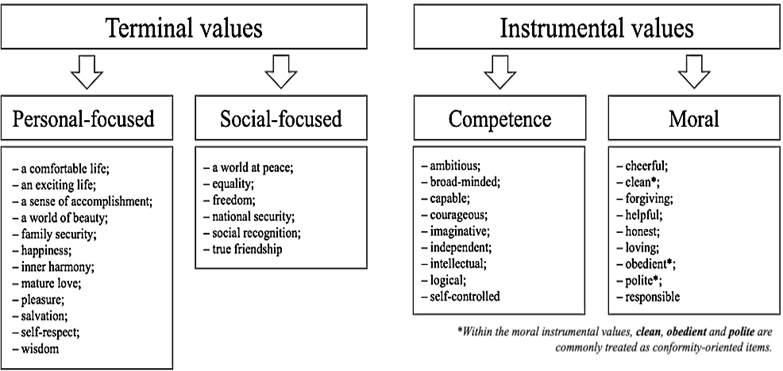
Fig. 1. Classification of M. Rokeach values
At the same time, modern Russian researchers emphasize that value structures are formed under the influence of the cultural and institutional context in which employees interpret work goals and behavioral expectations. As noted in the framework of the “Russian Code” concept of management, management practices are conditioned by culturally determined national value orientations and normative ideas that determine which work behavior and what contribution to the result are considered socially and organizationally acceptable [12]. Accordingly, M. Rokeach’s сlassification is used in this study not as a universal standard of values, but as an analytical framework that allows us to capture how Russian employees prioritize the final goals and those behavioral tools that they consider effective in their organizational environment.
In Russia, the organization and hierarchy of terminal and instrumental values reflect a complex historical legacy [7]. Authors A. Utyuganov and L. Frolova (2020) identified a prioritization of terminal values such as health, family, and friendship, supported by instrumental values of discipline and politeness [13]. However, evidence from the Russian business and financial sectors suggests the possibility of a shift toward a more pragmatic orientation, in contrast to both traditional collectivism and strict obedience. Researchers V. Kabalina and K. Reshetnikova (2014) identify indications of a conflict between personal-focused terminal goals (e. g., material well-being and family security) and corporate expectations, which we interpret as compatible with the idea that professionals increasingly treat the workplace as a means to personal stability [14]. Complementing this interpretation, V. Potemkin and D. Velmisova (2021) observe “value-motivational clusters” linking terminal goals with competence-based instrumental “tools” (efficiency, self-control). On this basis, we expect that Russian employees are more likely to exhibit a “functional alignment”, i. e., to privilege competence-based instrumental values in service of personal-focused terminal goals rather than social-conformity demands [15]. This expectation motivates the formulation of Hypothesis 1 (H1): Employees who prioritize personal-focused terminal values are more likely to select competence-based instrumental values than social-conformity instrumental values.
Organizational citizenship behavior and its value-based predictors
Organizational citizenship behavior developed and popularized by D. Organ refers to voluntary, non-obligatory actions that go beyond formal job requirements and contribute to the overall effectiveness and cohesion of organizations [1]. Classical dimensions of OCB include altruism, conscientiousness, sportsmanship, courtesy, and civic virtue, these aspects reflect different forms of extra-role behavior that support both interpersonal functioning and organizational performance. A widely accepted framework proposed by L. Williams and S. Anderson further distinguishes between OCB directed at individuals (OCBI) and OCB directed at the organization (OCBO) [16]. Recent studies have emphasized that OCBI and OCBO are underpinned by different psychological mechanisms. For example, K. Lee and N. Allen demonstrated that OCBI is more strongly influenced by affective job experiences such as empathy or emotional support whereas OCBO is more closely linked to cognitive appraisals like perceived fairness, recognition, or intrinsic satisfaction [18].
A growing body of research emphasizes that specific work values influence the likelihood of employees engaging in OCB. Work values serve as internalized standards that influence discretionary behaviors aimed at supporting organizational functioning. Existing literature suggests that favorable working environments and organizational cultures contribute to the development of OCB, often through alignment with employees’ personal and professional values [2]. Specifically, a study by Mat Ali et al. demonstrated that employees who prioritized values related to self-development, responsibility, and integrity were more likely to engage in citizenship behavior, supporting the notion that intrinsic work values play a key role in motivating prosocial workplace actions [8]. Similarly, Mat Ali et al., in a study involving 200 university academics in Malaysia, found that both terminal and instrumental work values were significant predictors of OCB. Their findings suggested that instrumental values particularly those emphasizing interpersonal interaction and social cooperation promoted a positive organizational climate, thereby facilitating voluntary prosocial behaviors among colleagues [8].
Although OCB is conceptually clear, its applicability across managerial systems remains debated, especially where managerial practices, incentive schemes, and governance arrangements differ from Western settings [17]. In Russia, the configuration of employment relations and performance controls may shape how work values translate into discretionary effort, yet firm-level evidence is limited. Building on international findings about value-behavior links and Russian data on value orientations, we posit that specific work values may play a significant role in shaping OCB among Russian employees. This leads to the formulation of Hypothesis 2 (H2): Specific terminal and instrumental values are positively associated with OCB, highlighting value orientations that promote citizenship behavior.
Methodology
1. Sample and data collection.
This study employed a quantitative, cross-sectional survey design. Data collection was carried out using an online questionnaire distributed to a total of 650 potential participants currently working in Russian companies across different sectors. The participation was strictly voluntary and anonymous. By the end of the data collection period, a total of 578 responses were received, yielding a response rate of approximately 88.9%. After preliminary screening the final sample consisted of 511 valid responses. As shown in Table 1, most respondents were employed in state-owned (52.8%) and private companies (44.0%), reflecting the dominant structure of the national economy. The sample was highly educated, with over 86% holding a bachelor’s degree or higher, and the majority had over 15 years of work experience, indicating a professionally mature and experienced workforce.
Table 1
Demographic profile of respondents
|
Demographic |
Frequency |
% |
|
|
Gender |
Male |
176 |
34.4 |
|
Female |
335 |
65.6 |
|
|
Age group, years |
<20 |
23 |
4.5 |
|
20-30 |
103 |
20.2 |
|
|
30-40 |
104 |
20.4 |
|
|
40-50 |
153 |
29.9 |
|
|
50+ |
128 |
25.0 |
|
|
Job position |
Office staff |
198 |
38.7 |
|
Operational staff |
126 |
24.7 |
|
|
Middle management |
121 |
23.7 |
|
|
Executive level |
43 |
8.4 |
|
|
Top management |
23 |
4.5 |
|
|
Work experience, years |
<5 |
98 |
19.2 |
|
5-15 |
111 |
21.7 |
|
|
15-25 |
165 |
32.3 |
|
|
25+ |
137 |
26.8 |
|
|
Education level |
General secondary |
15 |
2.9 |
|
Secondary vocational |
52 |
10.2 |
|
|
Bachelor's degree |
299 |
58.5 |
|
|
Master's degree |
69 |
13.5 |
|
|
PhD |
76 |
14.9 |
|
|
Organization size |
Micro enterprise (1-15 emp.) |
58 |
11.4 |
|
Small enterprise (16-100 emp.) |
123 |
24.1 |
|
|
Medium enterprise (101-250 emp.) |
63 |
12.3 |
|
|
Large enterprise (251+ emp.) |
267 |
52.3 |
|
|
Organization type |
Private company |
225 |
44.0 |
|
State-owned enterprise |
270 |
52.8 |
|
|
Joint venture |
12 |
2.3 |
|
|
Foreign company |
4 |
0.8 |
|
2. Measurement development and data quality.
To assess individual value orientations, this study utilized a modified version of the Rokeach Value Survey [3]. Participants selected the three most important values from separate lists of 18 terminal and 18 instrumental items, with each selection assigned a binary score of 1. This prioritization approach was implemented to reduce cognitive load on respondents and to prevent potential distortions associated with forced ranking [5]. Organizational citizenship behavior was measured using a 15-item scale adapted from K. Lee and N. Allen, which encompasses both interpersonal and organizational dimensions [18]. Respondents rated the agreement of their engagement in these behaviors on a 5-point Likert scale. The scale has demonstrated strong internal consistency in previous studies (Cronbach’s α > 0.85) and was pre-tested for contextual appropriateness within cross-cultural organizational environment [18].
Terminal and instrumental values were captured as single, binary indicators, each terminal or instrumental value was therefore treated as a standalone indicator and subsequently used as an individual predictor in the models. For OCB, the 15-item scale showed internal consistency (Cronbach’s α = 0.882). Standardized loadings ranged from 0.45 to 0.72. Composite reliability (CR) was 0.903, and the average variance extracted (AVE) was 0.386. These indices, reported in Table 2, indicate adequate reliability and support the use of the OCB scale in subsequent analyses.
Table 2
Measurement scales
|
Scales |
Standardized |
α |
CR |
AVE |
|
Terminal values (1 = selected among top-3 in terminal list; 0 = not selected) |
– |
– |
– |
– |
|
Instrumental values (1 = selected among top-3 in instrumental list; 0 = not selected) |
– |
– |
– |
– |
|
Organizational citizenship behavior (1 – strongly disagree; 5 – strongly agree) |
||||
|
I help those who have been absent from work |
0.450 |
0.882 |
0.903 |
0.386 |
|
I willingly give my time to help colleagues with their work-related problems |
0.647 |
|||
|
I do my best to make new employees feel welcome in the team |
0.626 |
|||
|
I show genuine care and courtesy to colleagues, even in difficult situations |
0.664 |
|||
|
I am willing to spend time helping colleagues with work or personal issues |
0.650 |
|||
|
I assist colleagues in completing their duties |
0.634 |
|||
|
I am willing to share my personal belongings with colleagues in the workplace |
0.483 |
|||
|
I participate in non-mandatory events that contribute to a positive image |
0.573 |
|||
|
I keep track of changes within the organization |
0.507 |
|||
|
I defend my organization when others criticize it |
0.655 |
|||
|
I feel proud when I have the opportunity to represent the organization |
0.669 |
|||
|
I offer ideas to improve the functioning of the organization |
0.589 |
|||
|
I am loyal to my organization |
0.687 |
|||
|
I take steps to protect the organization from potential problems |
0.717 |
|||
|
I care about my organization’s reputation |
0.698 |
|||
Value preferences among Russian employees
To test H1, a frequency analysis was conducted to identify the most prominently selected terminal and instrumental values among Russian employees. The results revealed clear patterns of prioritization that support the proposed functional alignment of value orientations.
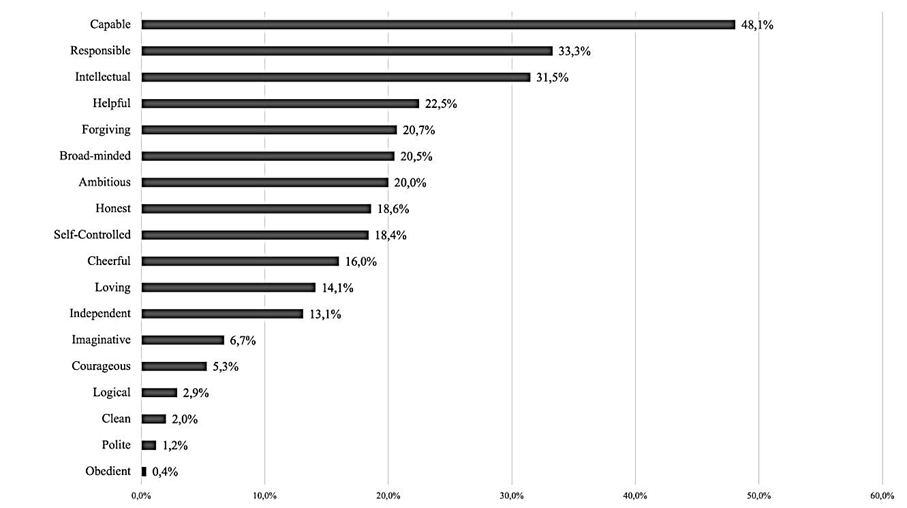
As shown in Fig. 2, а the top three terminal values most frequently selected by respondents were comfortable life (50.9%), family security (49.5%), and happiness (36.6%). These results demonstrate a definitive dominance of personal-focused terminal values, which reflect an individual’s aspirations for stability and well-being within the private sphere. By contrast, social-focused terminal values such as a world at peace (26.8%) and equality (1.2%) showed lower salience overall, suggesting that broader societal end-states are currently less prioritized than individual ones.
|
|
|
a |
 |
|
b |
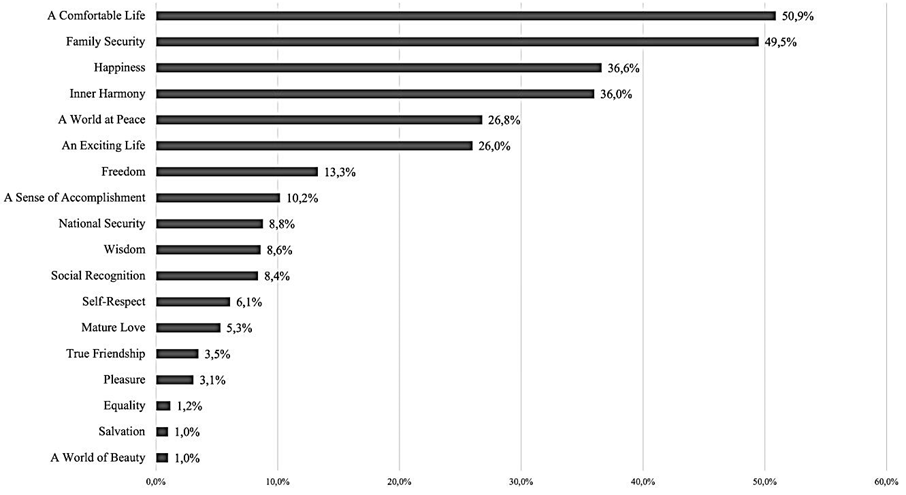
Fig. 2. Most frequently selected terminal (a) and instrumental (b) values
A consistent pattern in Fig. 2, b was observed in the domain of instrumental values. The most frequently selected traits were capable (48.1%), responsible (33.3%), and intellectual (31.5%). The findings indicate an emphasis on competence-based instrumental values, highlighting the importance of individual efficacy and cognitive resources in the professional context. Notably, values associated with social conformity, such as obedient (0.4%) and polite (1.2%), were among the least preferred, suggesting that passive adherence to institutional norms is not perceived as a primary tool for success in the current socio-economic environment.
To further probe H1, we ran a cross-tabulation between the three most frequently selected personal-focused terminal goals and the three leading competence-based instrumental values (Table 3). The association is statistically significant, χ² = 22.813, p < 0.001. For comfortable life, respondents most often chose capable (44.83%), followed by responsible (31.66%) and intellectual (23.51%), indicating that this goal is primarily pursued through personal efficacy, with dependability as a secondary route. For family security, the profile shifts toward duty: capable (43.12%) and responsible (36.96%) clearly exceed intellectual (19.93%), highlighting reliability as a salient means of protecting the household. For happiness, cognitive engagement becomes more prominent: capable (39.91%) and intellectual (36.77%) both outrun responsible (23.32%), suggesting that self-development and problem solving are central to this end state. Across all three terminal goals, capable remains the modal choice and, together with the low selection rates of conformity-oriented items reported elsewhere, this pattern supports H1 that personal-focused terminal aims are preferentially pursued via competence-based instrumental values rather than social-conformity means.
Table 3
Cross-tabulation of most frequently selected terminal and instrumental values
|
Value group |
Capable |
Responsible |
Intellectual |
Frequency |
χ2 |
p-value |
|
Comfortable life |
143 (44.8%) |
101 (31.7%) |
75 (23.5%) |
319 |
22.813 |
0.000*** (*p < 0,05; |
|
Family security |
119 (43.1%) |
102 (36.9%) |
55 (19.9%) |
276 |
||
|
Happiness |
89 (39.9%) |
52 (23.3%) |
82 (36.8%) |
223 |
||
|
Total |
351 |
255 |
212 |
818 |
The influence of terminal and instrumental values on organizational citizenship behavior
To test H2, we estimated a three-step hierarchical regression with OCB as the dependent variable (Table 4). Model 1, which contained only controls (age group, gender, education etc.), explained a small but significant share of variance (R² = 0.050; p < 0.001), indicating limited explanatory power of demographics for OCB in this sample. Adding the 18 terminal values in Model 2 improved fit (R² = 0.107; ΔR² = 0.0574; p = 0.033) and modestly reduced residual error, consistent with terminal goals being associated with citizenship behavior at a relatively distal level. Introducing the 18 instrumental values in Model 3 yielded a further and comparable gain (R² = 0.163; ΔR² = 0.056; p = 0.030). The result indicates that preferred behavioral modes contribute the largest substantive portion of the model’s explanatory power beyond demographics and terminal goals. Overall, the pattern of increases in R² across steps confirms that work values add meaningful explanatory variance over and above controls, with instrumental values providing the strongest incremental contribution.
Table 4
Hierarchical regression model summary
|
Model |
R |
R2 |
Adjusted R2 |
Standard error |
ΔR2 |
ΔF |
df1 |
df2 |
Δ p-value F |
Durbin – Watson сriteria |
|
1 |
0.223a |
0.05 |
0.036 |
0.579 |
0.05 |
3.757 |
7 |
503 |
< 0.001 |
– |
|
2 |
0.327b |
0.107 |
0.061 |
0.572 |
0.057 |
1.72 |
18 |
485 |
0.033 |
– |
|
3 |
0.403c |
0.163 |
0.086 |
0.564 |
0.056 |
1.738 |
18 |
467 |
0.03 |
1.968 |
Coefficient-level results are summarized in Table 5. Within the instrumental-moral cluster, several values show positive associations with OCB: helpful (B = 0.458; p < 0.001), forgiving (B = 0.391; p = 0.007), honest (B = 0.344; p = 0.011), loving (B = 0.329; p = 0.021), polite (B = 0.773; p = 0.005), responsible (B = 0.303; p = 0.021), and self-controlled (B = 0.385; p = 0.004). This pattern indicates that prosocial orientation, reliability, and self-regulation align with discretionary helping and cooperative behaviors that support coworkers and the organization. The comparatively large coefficient for polite suggests that interactional civility facilitates the uptake of constructive initiatives. Positive effects for responsible and self-controlled are consistent with expanded role boundaries and sustained extra-role contribution, while forgiving and loving align with conflict de-escalation and a supportive climate.
Within the instrumental-competence cluster, ambitious (B = 0.355; p = 0.009), broad-minded (B = 0.397; p = 0.002), capable (B = 0.325; p = 0.012), intellectual (B = 0.338; p = 0.009), and logical (B = 0.391; p = 0.036) are also positively related to OCB, consistent with the view that efficacy, cognitive engagement, and openness promote initiative taking, problem solving, and constructive extra-role contribution. By contrast, the conformity-oriented item obedient shows a negative association with OCB (B = −0.926; p = 0.038), suggesting that passive deference to authority is not conducive to self-initiated citizenship once formal role requirements are satisfied.
Table 5
Work values significantly associated with organizational citizenship behavior
|
Value |
B |
p-value |
|
Exciting life (Terminal value) |
0.251 |
0.049 |
|
Ambitious (Instrumental value) |
0.355 |
0.009 |
|
Broad-minded (Instrumental value) |
0.397 |
0.002 |
|
Capable (Instrumental value) |
0.325 |
0.012 |
|
Forgiving (Instrumental value) |
0.391 |
0.007 |
|
Helpful (Instrumental value) |
0.458 |
< 0.001 |
|
Honest (Instrumental value) |
0.344 |
0.011 |
|
Intellectual (Instrumental value) |
0.338 |
0.009 |
|
Logical (Instrumental value) |
0.391 |
0.036 |
|
Loving (Instrumental value) |
0.329 |
0.021 |
|
Obedient (Instrumental value) |
–0.926 |
0.038 |
|
Polite (Instrumental value) |
0.773 |
0.005 |
|
Responsible (Instrumental value) |
0.303 |
0.021 |
|
Self-controlled (Instrumental value) |
0.385 |
0.004 |
Turning to terminal values, exciting life is the only positive predictor (B = 0.251; p = 0.049), indicating that a preference for stimulation and dynamism is modestly linked to greater citizenship behavior. Other terminal values are not statistically significant after controls and the full set of instrumental indicators are included, which supports the conclusion from the hierarchical steps that instrumental values operate more proximally and are therefore more predictive of OCB in this context.
Taken together, the pattern indicates that proximal behavioral modes are the primary channel through which values translate into citizenship behavior, while most end-state goals are comparatively distal. Overall, the evidence clearly supports H2, confirming the anticipated positive associations between specific value orientations and OCB.
Discussion
The results of the present study provide a comprehensive understanding of the value-behavior link within the Russian organizational context, specifically through the lens of М. Rokeach’s terminal-instrumental framework. The clear prioritization of personal-focused terminal values, such as a comfortable life and family security, suggests a natural evolution of socio-cultural orientations in response to modern economic conditions. These results align with the “managerial pragmatism” identified by V. Kabalina and K. Reshetnikova, where the workplace is perceived as a stable foundation for ensuring the well-being and security of the employee's private sphere [14]. From the perspective of the “Russian Code”, this emphasis on security is not merely pragmatic individualism but a reflection of the “security” pillar, a fundamental cultural response to systemic turbulence [4]. In the Russian context, the private sphere serves as a primary anchor, where personal responsibility for family welfare becomes a driver for professional engagement.
A critical finding is the functional link between these terminal goals and competence-based instrumental values (capable, intellectual). This supports the “value-motivational clusters” described by V. Potemkin and D. Velmisova, suggesting that Russian professionals adopt a highly agentic approach to their careers [15]. Unlike the specific institutional settings where stability is maintained through prescriptive discipline [13], our respondents treat individual competence as an essential resource. The finding also supports O. Samovarova’s pillar of “self-sufficiency”, where professional agency emerges as a dominant characteristic of the national managerial profile. In a culture characterized by high uncertainty avoidance, individual expertise acts as a reliable guarantor of success, transforming the employee into an autonomous and proactive partner rather than a passive subordinate [4]. This systematic alignment, empirically observed through the significant correlation between aspirations for stability and preferences for professional efficacy, provides robust support for H1. The confirmation of H1 demonstrates that the Russian work value system has evolved into a coherent, self-reinforcing structure where personal-focused goals are strategically pursued through competence-based instrumental means, fostering a highly skilled and motivated workforce.
This transition suggests that in a market economy characterized by rapid transformation and complexity, the locus of control has shifted toward a more individualized and responsible level. While prior research often observed a “prescriptive” model of behavior, our findings point to a “proactive” model of professional engagement. In this environment, competence-based values act as a form of psychological capital; employees perceive their own expertise (capable, intellectual) as a reliable guarantor of success and a competitive advantage in a changing landscape. Furthermore, the universal status of the trait capable across all leading life-goal groups confirms that competence is the “modal” instrumental pathway for a Russian employee. Regardless of whether one seeks happiness or family security, efficacy is perceived as the most effective driver for achieving these goals. This evidence reflects a constructive individualization of professional responsibility: employees tend to rely on their own “marketability”, continuous learning, and cognitive resources. This rise of professional agency redefines the nature of the employment relationship in Russia, where the modern professional functions as an autonomous and proactive partner within the organization. Their contribution is based on a partnership-oriented model, where the exercise of high-level competence is aligned with long-term personal and organizational stability.
In relation to H2, the evidence indicates that instrumental values are the closest antecedents of citizenship behavior, providing a more proximal regulatory mechanism than terminal goals. Prior work suggests that intrinsic and moral work values encourage OCB by shaping habitual interaction patterns and a willingness to contribute beyond formal duties [1, 8]. Our findings support this position and add necessary precision for management practice in Russian organizations, highlighting the high ethical standards of the modern workforce.
We observe that prosocial moral scripts, such as helpful, honest, responsible, polite, forgiving, and self-controlled, align with everyday choices that reduce interpersonal friction, enable coordination, and sustain cooperative effort. Simultaneously, competence-oriented scripts, including capable, intellectual, logical, and ambitious, legitimize taking initiative and investing effort in non-mandated tasks for the benefit of the organization. Taken together, instrumental values function as behavioral programs that translate value commitments into routine cooperative actions, complementing the affective and cognitive pathways identified in the literature. While terminal aspirations remain relevant as distal motivators, their impact on citizenship is largely indirect, operating through the instrumental means employees endorse and enact in their daily work. This combination of moral regulation and competence-driven agency provides empirical confirmation of H2, illustrating that OCB in the Russian workplace is a sophisticated product of both ethical responsibility and professional capability.
A notable counterpoint emerges concerning the value obedient, D. Organ’s conceptualization characterizes OCB as inherently discretionary and self-initiated. Our results demonstrate a critical tension here because when obedience becomes the dominant rule, initiative can be inadvertently diminished. While it is important to acknowledge that only a marginal proportion of the sample prioritized obedience as a primary value, the statistically significant negative association between this value and OCB indicates a compelling tendency that warrants scholarly attention. This explains why conformity-oriented values, although important in certain contexts, may limit the creative and proactive citizenship behavior needed in modern and innovative organizations. For Russian management and HR, this implies a necessary evolution toward more flexible and trust-based control systems. The negative association between the value obedient and OCB suggests that moving away from strictly prescriptive compliance toward a culture of empowerment can significantly enhance voice, helping, and voluntary problem-solving. This finding is particularly significant given the shift toward professional agency identified in H1 because it suggests that the modern Russian worker is most productive when granted the autonomy to act on their responsibility and competence.
Overall, the integrated pattern of the findings suggests a culturally distinctive Russian employee profile characterized by high professional agency and a pragmatic orientation toward systemic security. The study complements the “Russian Code” by identifying the specific value-based mechanisms that drive proactive behavior. The resulting portrait reveals that the modern Russian professional perceives intellectual and functional competence (intellectual, capable) not merely as tools for formal compliance, but as vital strategic resource utilized to ensure the stability of their private sphere (family security, a comfortable life) amidst environmental turbulence. Furthermore, the Russian worker emerges as an autonomous, self-sufficient partner whose productivity is maximized when their quest for personal security and professional self-actualization is integrated into an organizational culture grounded in justice and the recognition of individual expertise.
Conclusion
The findings of this research offer significant implications for organizational practice and theoretical development. Practically, the study provides a nuanced understanding of the specific values driving productive behavior among Russian employees, enabling the design of more congruent human resource practices. Organizations operating in Russia can utilize these insights to align their internal culture with the dominant value orientations of the workforce, thereby fostering an environment where employees are intrinsically motivated to exceed formal job requirements. Furthermore, understanding which values are most appreciated by Russian employees can help international organizations avoid cultural misalignment and implement more effective management and motivational strategies.
On a theoretical level, this study contributes to the literature on work values and OCB by applying M. Rokeach’s terminal-instrumental framework to the Russian context [3, 4, 6]. The research deepens the understanding of how culturally embedded orientations shape voluntary workplace behavior and confirms that instrumental values serve as more robust predictors of OCB than terminal goals in the Russian setting. By synthesizing these results with the “Russian Code” perspective, the study offers a culturally distinct of the modern Russian worker: an autonomous agent who demonstrates high levels of discretionary effort when their professional competence is recognized as a means to personal and family stability. These findings complement the work of K. Lee and N. Allen regarding the multidimensional nature of OCB and aligns with M. Zeyada’s suggestion that the alignment of work values with the organizational context is essential for fostering citizenship behaviors [2, 18].
Despite these insights, several limitations must be acknowledged to guide future research. The cross-sectional design of the study restricts the ability to draw definitive causal inferences, necessitating longitudinal research to determine how work values influence OCB over time. Additionally, a specific limitation involves the analysis of the value obedient because the relatively small proportion of respondents selecting this item makes it difficult to generalize the identified negative trend. Future studies should employ targeted sampling or qualitative methods to explore this specific tension between conformity-oriented values and initiative more deeply.
1. Organ D. W. Organizational Citizenship Behavior: The Good Soldier Syndrome. Lexington, MA: Lexington Books, 1988. 160 p.
2. Zeyada M. Organizational culture and its impact on organizational citizenship behavior // International Journal of Academic Research in Business and Social Sciences. 2018. V. 8. N. 3. P. 418–429.
3. Rokeach M. The Nature of Human Values. N. Y.: Free Press, 1973. 438 p.
4. Самоварова О. В. Время управлять по-русски. Кн. 1. Русский код управления. СПб.: Феникс, 2023. 374 с.
5. Schwartz S. H. Universals in the content and structure of values: Theoretical advances and empirical tests in 20 countries // Advances in Experimental Social Psychology. San Diego: Academic Press, 1992. V. 25. P. 1–65.
6. Hofstede G. Culture’s Consequences: Comparing Values, Behaviors, Institutions and Organizations across Nations. Thousand Oaks: Sage Publications, 2001. 616 p.
7. Wierzbicka A. Semantics, Culture, and Cognition: Universal Human Concepts in Culture-Specific Configurations. Oxford: Oxford University Press, 1992. 496 p.
8. Mat Ali N. A., Panatik S. A., Zainal Badri S. K. Impact of work values in promoting organizational citizenship behavior among academicians: The mediating roles of job satisfaction // Pertanika Journal of Social Sciences and Humanities. 2020. V. 28. N. 1. P. 617–632.
9. Super D. E. Work Values Inventory. Boston: Houghton Mifflin, 1970. 50 p.
10. Robinson C. H., Betz N. E. A psychometric evaluation of Super’s Work Values Inventory – Revised // Journal of Career Assessment. 2008. V. 16. N. 4. P. 456–473.
11. Ho C.-C., Oldenburg B., Day G., Sun J. Work values, job involvement, and organizational commitment in Taiwanese nurses // International Journal of Psychology and Behavioral Sciences. 2012. V. 2. N. 3. P. 64–70.
12. Самоварова О. В. «Русский код» управления – верный путь к ответственному бизнесу // Диалог об идеях, исследованиях и преподавании: сб. науч. тр. конф. МИРБИС (Москва, 06 июня 2025 г.). М.: Первое экон. изд-во, 2025. С. 78–95.
13. Утюганов А. А., Фролова Л. В. Терминальные и инструментальные ценности курсантов военного института (на примере Новосибирского военного института войск национальной гвардии РФ) // Мир науки. Педагогика и психология. 2020. Т. 8. № 1. С. 57.
14. Кабалина В. И., Решетникова К. В. Ценности российских менеджеров и корпоративные ценности // Рос. журн. менеджмента. 2014. Т. 12. № 2. С. 37–66.
15. Потемкин В. К., Вельмисова Д. В. Взаимосвязи терминальных и инструментальных ценностно-мотивационных смыслов в деятельности работников // Социология. 2021. № 4. С. 165–174.
16. Williams L. J., Anderson S. E. Job satisfaction and organizational commitment as predictors of organizational citizenship and in-role behaviors // Journal of Management. 1991. V. 17. N. 3. P. 601–617.
17. Shenkar O. Cultural distance revisited: Towards a more rigorous conceptualization and measurement of cultural differences // Journal of International Business Studies. 2001. V. 32. N. 3. P. 519–535.
18. Lee K., Allen N. J. Organizational citizenship behavior and workplace deviance: The role of affect and cognitions // Journal of Applied Psychology. 2002. V. 87. N. 1. P. 131–142.